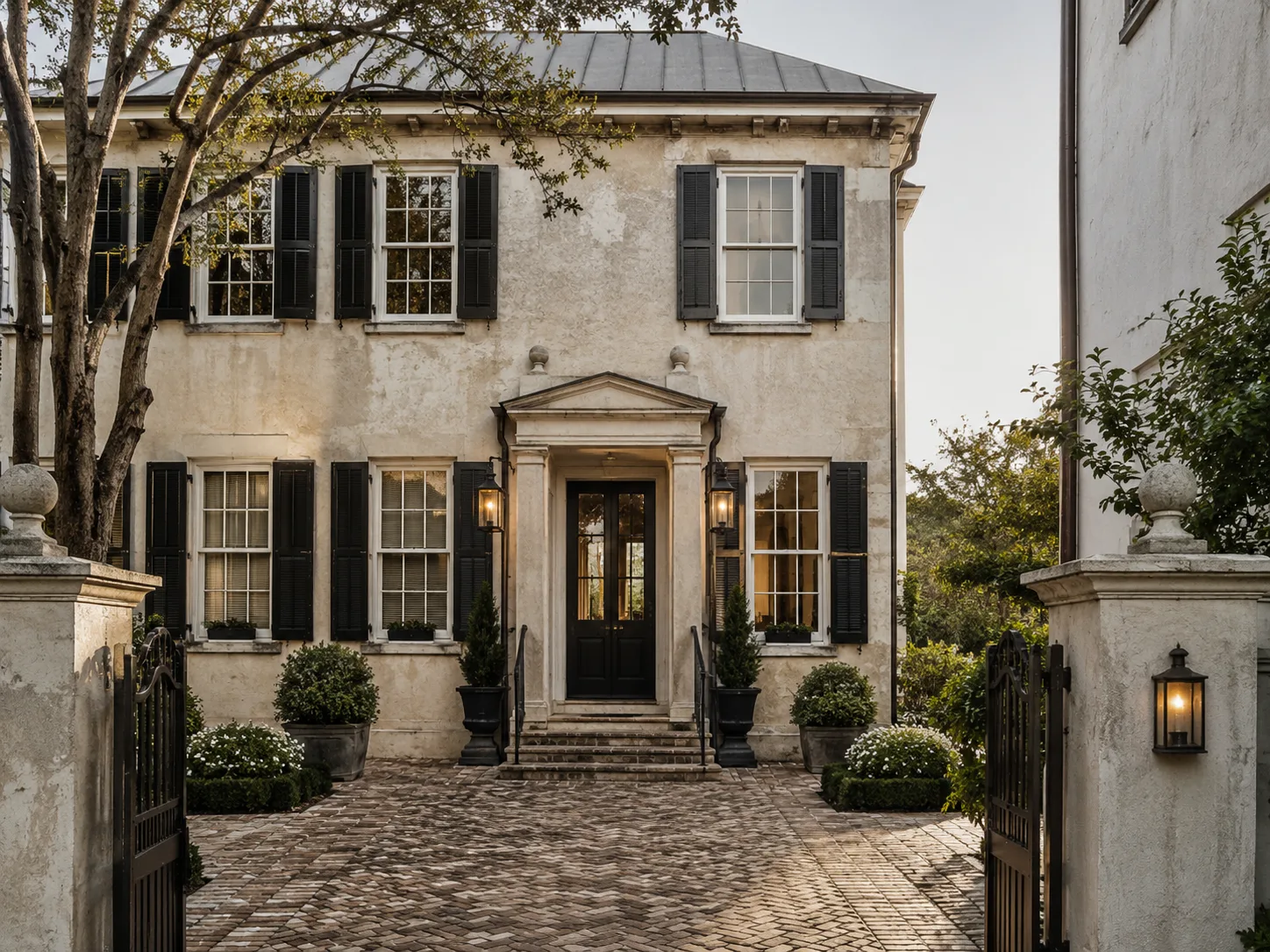
— Project 023 · Residential
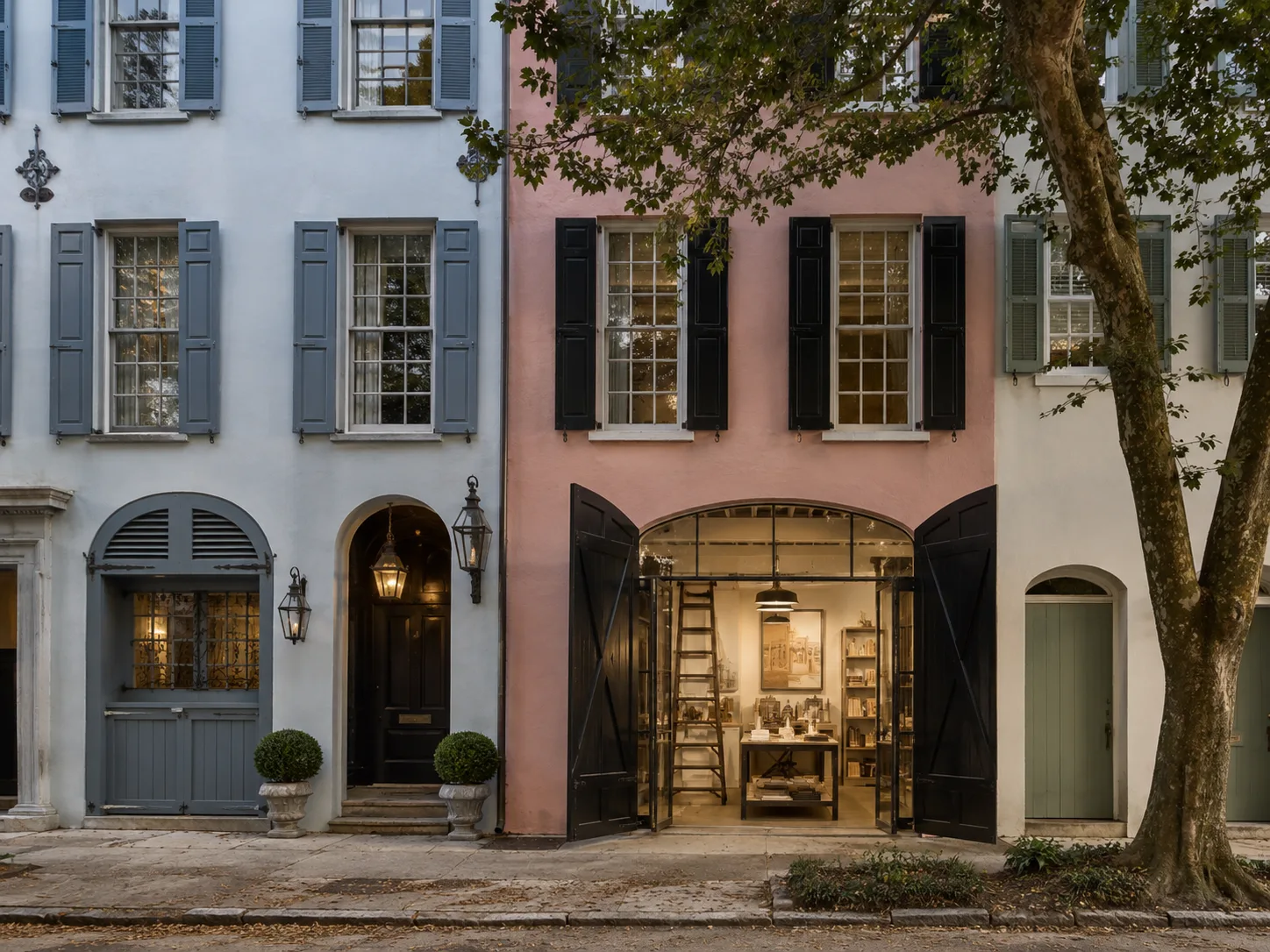
The Tradd Street House was built in 1843 by a Charleston cotton factor, partitioned in the 1970s into three apartments, and returned to a single residence in the work described here. The commission, in our reading, was not to restore the house — it was to listen to what the house had been trying to say underneath a hundred and eighty years of small and large interventions.
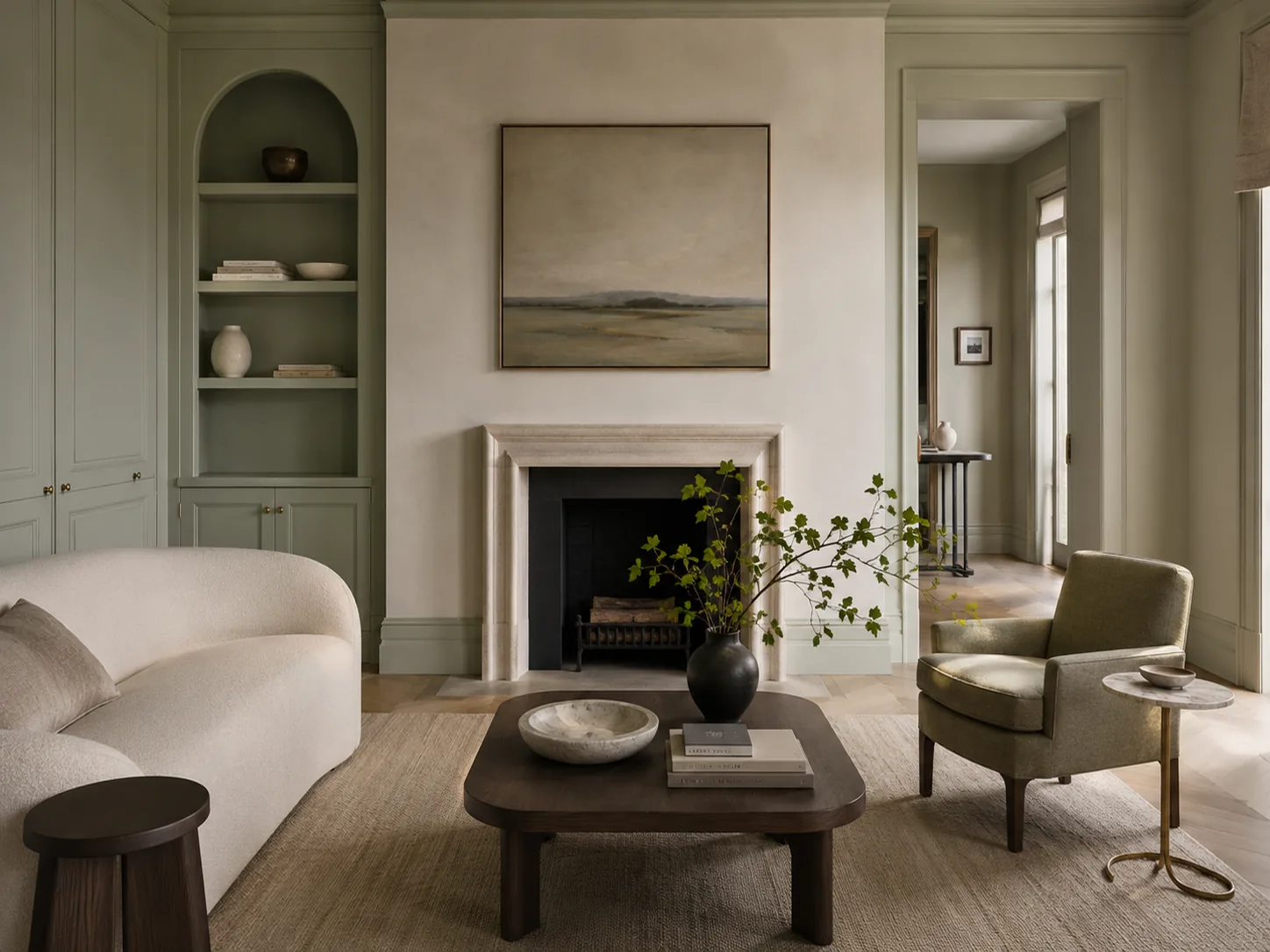
The first year was spent largely in removal. We took down a 1971 partition wall in the front parlor and recovered, behind it, the original twelve-foot proportions and the cypress millwork around the marble mantle. We removed a 1996 sunroom from the rear elevation and found, beneath it, the original kitchen dependency footprint and a set of brick foundations we had not known were there. We did not, at this stage, build anything. We spent the year reading.
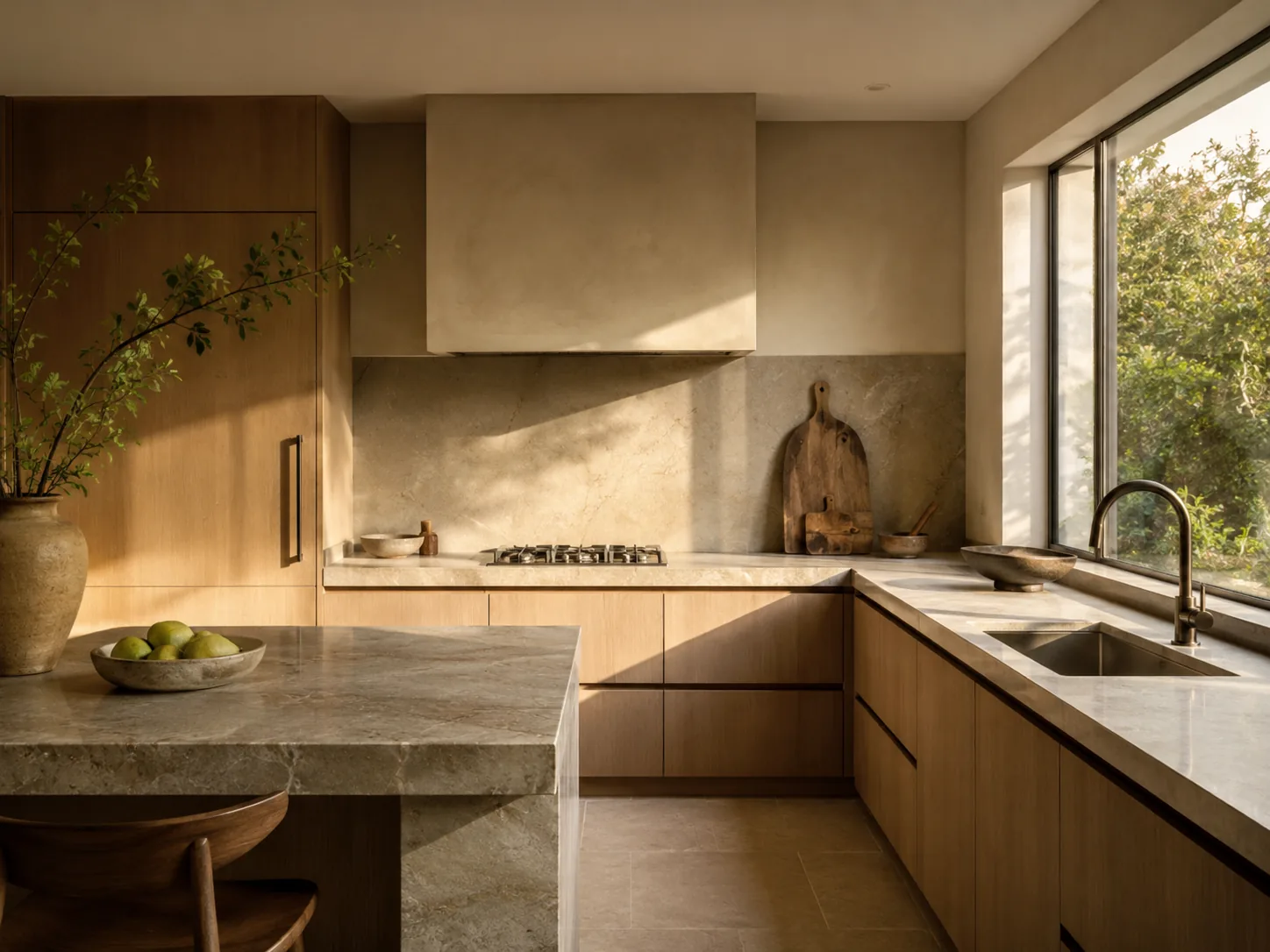
The new work — a rear addition holding a working kitchen, a walnut-paneled library, and a quiet upstairs study — was kept deliberately legible as new. We did not attempt to mimic the original cornice rhythm or to age the new plaster to match the parlor. New work is new work; the kindness, in our view, is to be honest about it. The two halves of the house meet at a small interior threshold marked by a single change in the floor — wide reclaimed heart-pine on the historic side, narrower quartersawn white oak on the new side. Stand on that threshold and the building tells you exactly where it is.
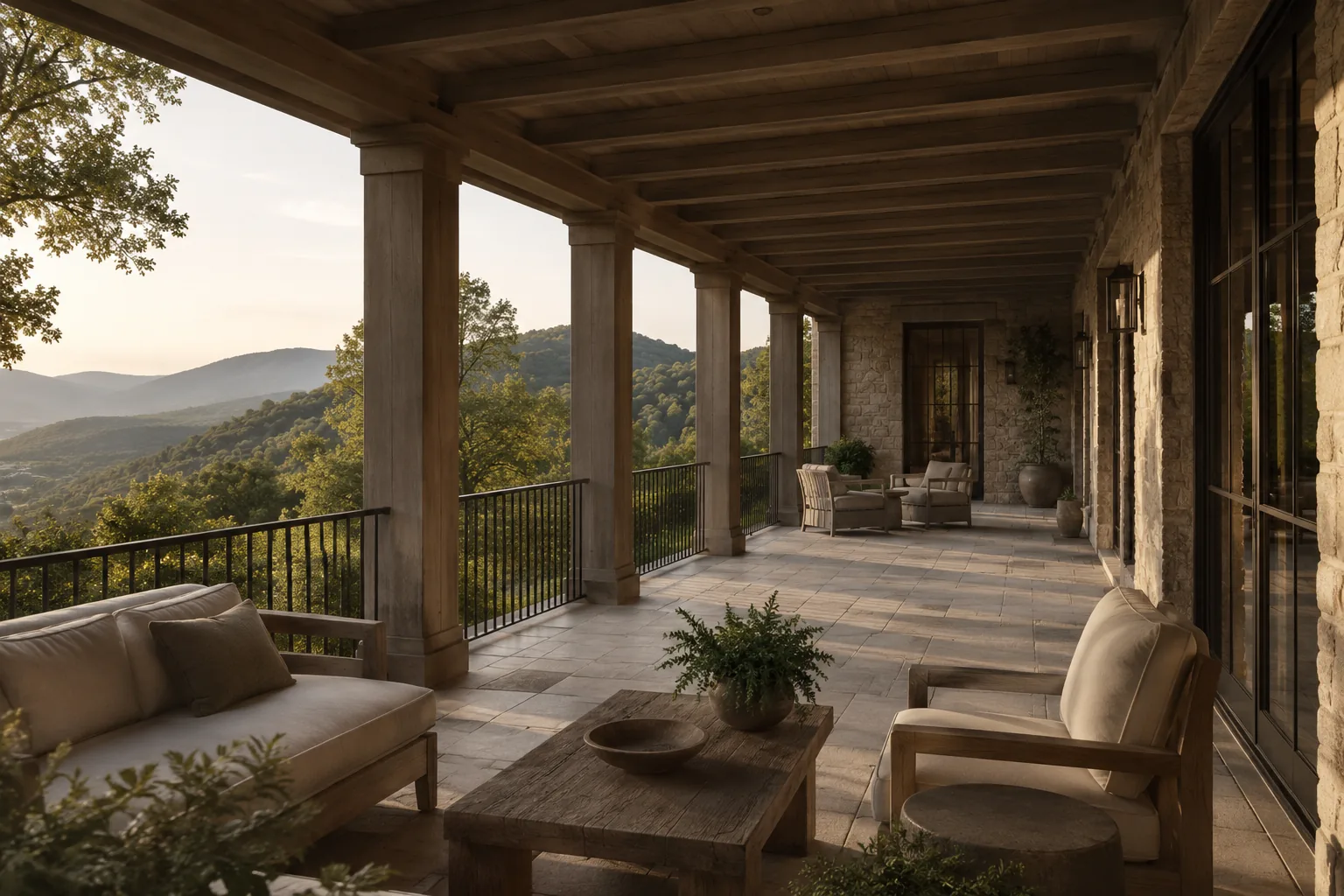
The garden, developed with a Charleston landscape studio in 2022 and completed from a restrained planting plan, is the room we are perhaps proudest of. A walled formal garden of Charleston brick, a central reflecting pool sized to hold the moon at full, espaliered Meyer lemons against the south-facing wall, and a small garden studio at the rear in the dependency tradition. The family takes their morning coffee on the piazza, looks across this garden, and — they tell us — feels at last that they have come into the house they were always meant to live in.
Select any room marker to explore the house — original 1843 fabric appears in oxblood line; new work is marked in soft outline.
The work began with inherited fabric: tired openings, weathered plaster, and a rear sequence that no longer understood the garden. The restoration did not chase novelty; it clarified proportion, repaired the threshold, and returned the house to a more legible architectural rhythm.
Drag the divider to compare — inherited fabric, and restored language.
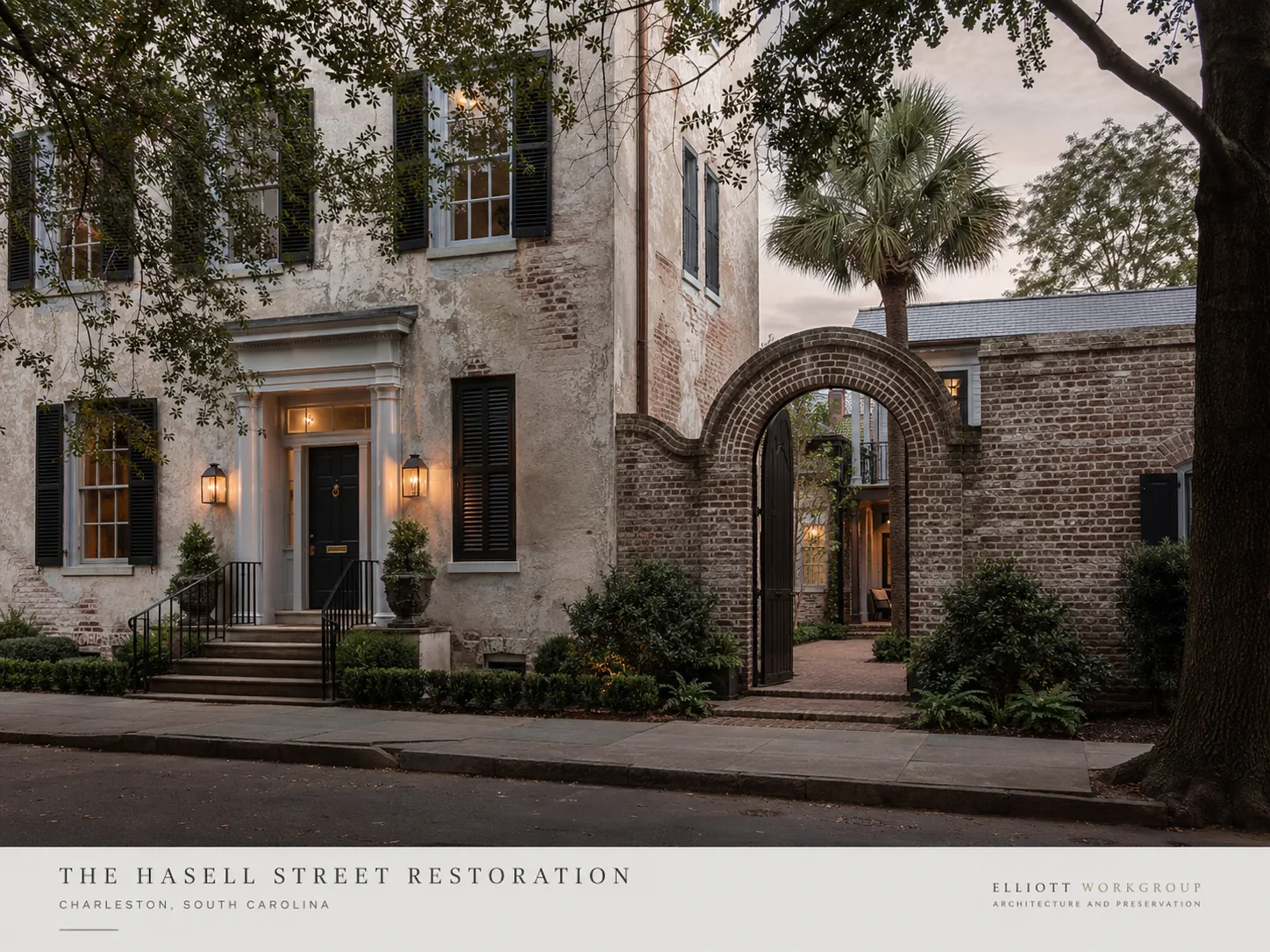
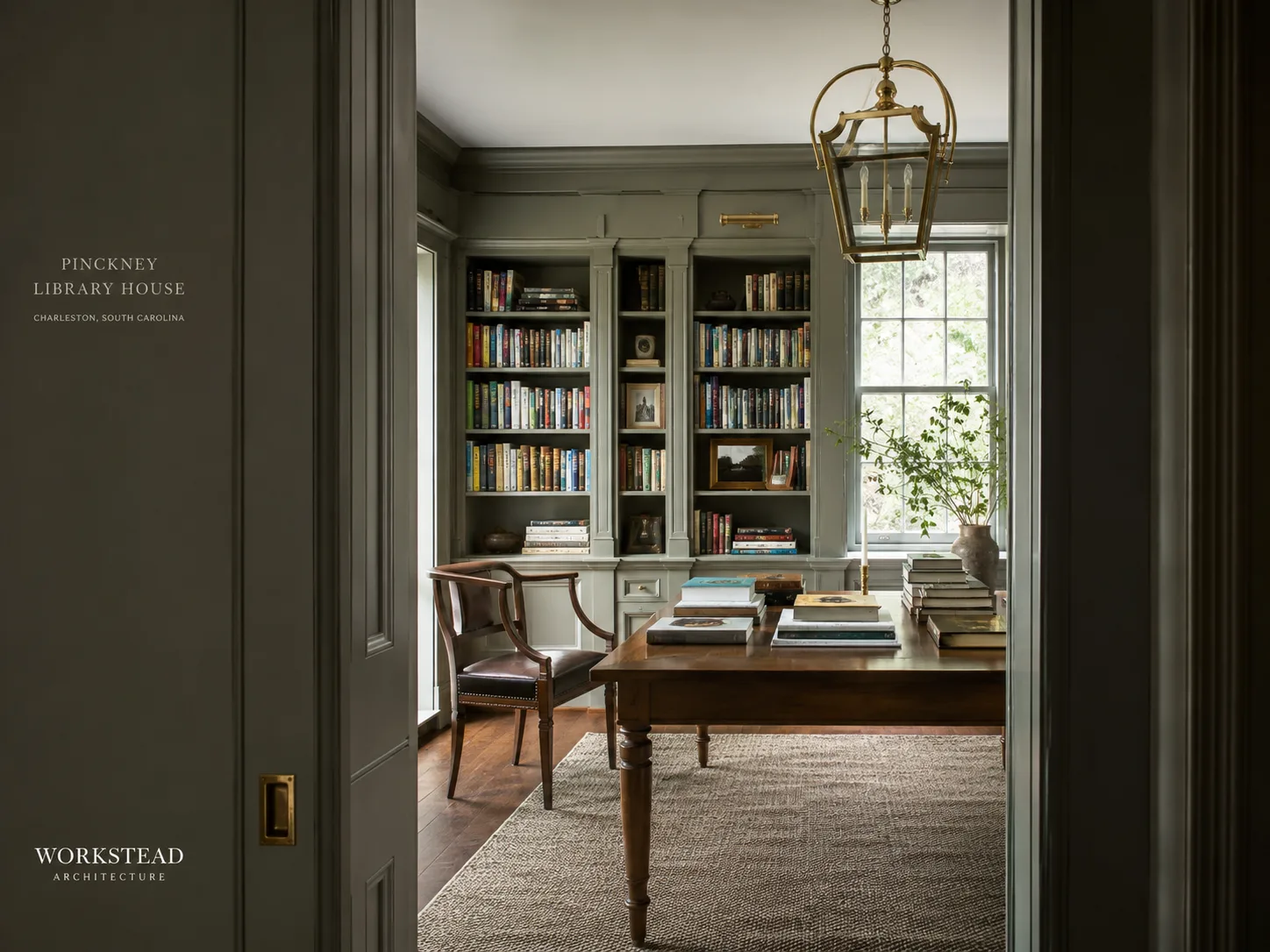
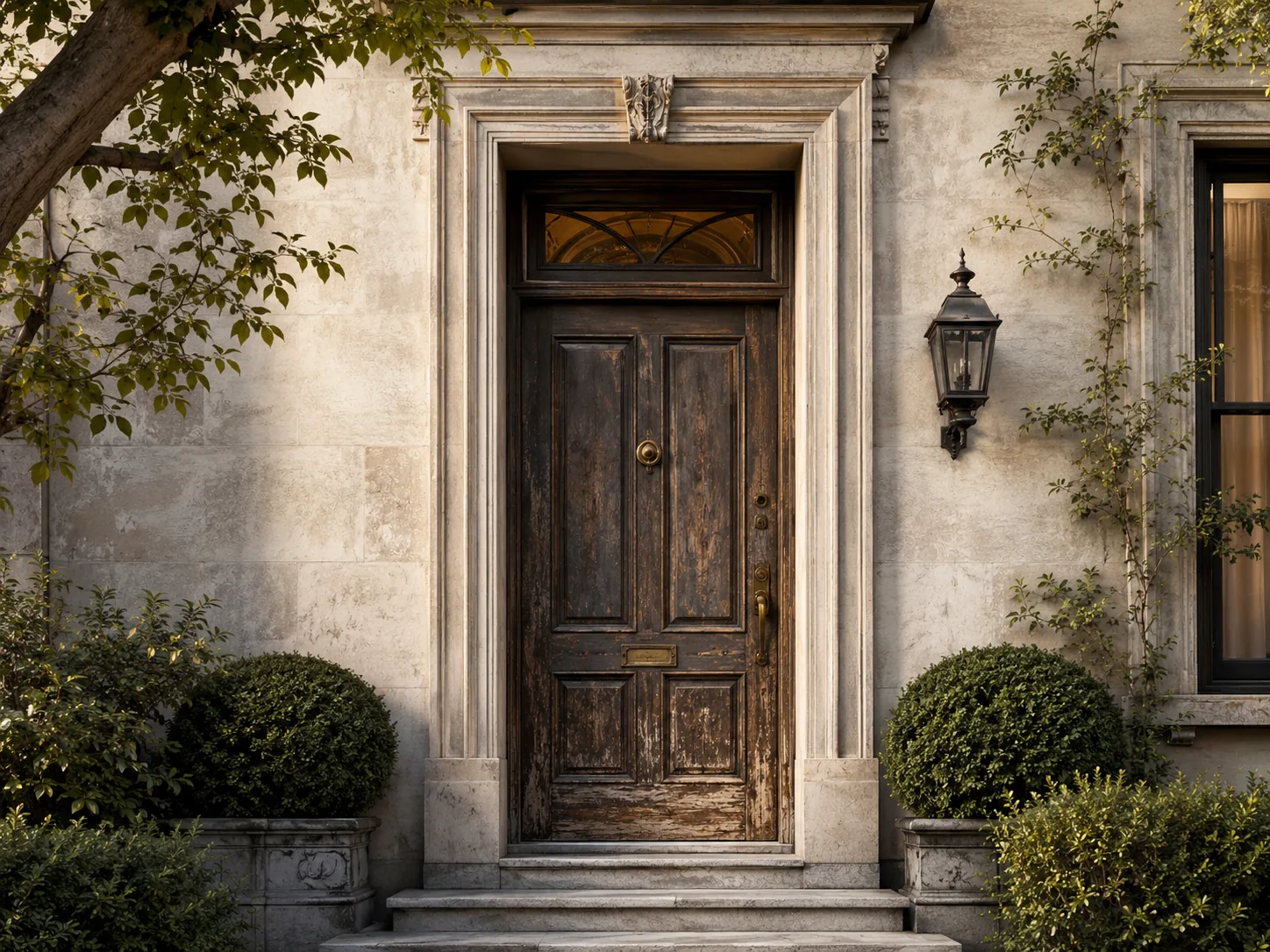
Work of this kind begins quietly — a walk through the house, an unhurried conversation about what it has been and what it might again become. If you are the custodian of an old house, or contemplating one, we would be glad to listen.
Begin a private conversation →